
Beware of “Phantom Hacker” Scams Targeting Senior Citizens
The FBI has recently issued a warning about a surge in “Phantom Hacker” scams that are specifically targeting senior citizens. These scams are an evolution of the more general tech support scams, but with added layers of deception. Scammers impersonate tech support, financial institutions, and even government officials to gain the trust of their victims and identify the most lucrative accounts to target. Unfortunately, many victims end up losing their entire banking, savings, retirement, or investment accounts under the guise of “protecting” their assets.
Between January and June 2023, the FBI’s Internet Crime Complaint Center (IC3) received 19,000 complaints related to tech support scams, with estimated victim losses exceeding $542 million. Alarmingly, almost 50% of the victims were over 60 years old, accounting for 66% of the total losses. As of August 2023, losses have already surpassed those in 2022 by 40%.
The Scam Unfolds in Three Phases
Phase 1: Tech Support Imposter
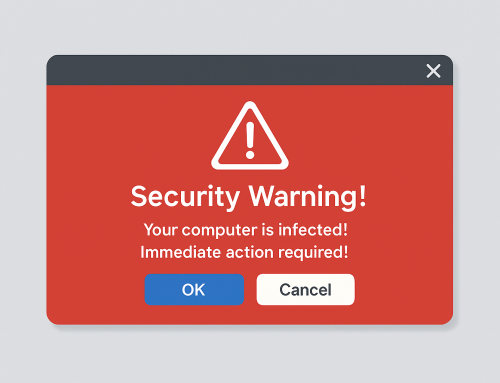
A scammer posing as a tech or customer support representative from a legitimate company contacts the victim through a phone call, text, email, or a pop-up window on the victim’s computer. They instruct the victim to call a number for “assistance.” Once the victim calls the number, the scammer directs them to download a software program, allowing remote access to the victim’s computer. The scammer pretends to run a virus scan and falsely claims the computer is at risk of being hacked. They then request the victim to open their financial accounts to check for unauthorized charges, identifying the most lucrative account to target. The scammer tells the victim they will receive a call from the fraud department of the respective financial institution hosting that account.
Phase 2: Financial Institution Imposter
A scammer posing as a representative of the financial institution contacts the victim, falsely informing them that their computer and financial accounts have been accessed by a foreign hacker. The victim is instructed to move their money to a “safe” third-party account, such as one with the Federal Reserve or another US Government agency. The scammer directs the victim to transfer money via wire transfer, cash, or cryptocurrency, often to overseas recipients. They may instruct the victim to send multiple transactions over days or months and tell them not to inform anyone of the real reason for moving their money.
Phase 3: US Government Imposter
The victim may also be contacted by a scammer posing as an employee at the Federal Reserve or another US Government agency. If the victim becomes suspicious, the scammer may send an email or letter on what appears to be official US Government letterhead to legitimize the scam. The scammer continues to emphasize that the victim’s funds are “unsafe” and must be moved to a new “alias” account for protection until the victim concedes.
Tips to Protect Yourself
- Do not click on unsolicited pop-ups, links sent via text messages, or email links or attachments.
- Do not contact the telephone number provided in a pop-up, text, or email.
- Do not download software at the request of an unknown individual who contacted you.
- Do not allow an unknown individual who contacted you to have control of your computer.
- The US Government will never request you send money via wire transfer to foreign accounts, cryptocurrency, or gift/prepaid cards.
Report It
The FBI requests victims report these fraudulent or suspicious activities to their local FBI field office and the FBI IC3 at [www.ic3.gov](http://www.ic3.gov). Be sure to include as much information as possible, such as the name of the person or company that contacted you, methods of communication used (including websites, emails, and telephone numbers), and the bank account numbers where the funds were wired to and the recipient’s names.
For additional information on similar scams, please see previous Public Service Announcements published on the FBI IC3 website.
I hope this helps! Let me know if you need any further adjustments or additional information.